
OPRA in New Jersey
The Open Public Records Act, N.J.S.A. 47:1A-1 et seq., gives the public a right to see government records held by state and local agencies. It applies to Bergen County offices and their agencies, but it is not the rule for court case files. OPRA balances access with set exemptions for privacy and safety. A request usually must be in writing, and the custodian's clock starts when the request is received.
You can read the official OPRA text from the Government Records Council at N.J.S.A. 47:1A-1 et seq. A denied request can be challenged through the Government Records Council or a Superior Court action.
Rule 1:38 for Court Records
Court records are different. New Jersey court case records follow Rule 1:38, the Judiciary's public access rule, not OPRA. The baseline under Rule 1:38 is openness, but Rule 1:38-3 lists many exclusions, and Rule 1:38-7 protects personal identifiers. So a Superior Court file is requested through NJ Courts procedures, while a County Clerk deed is an OPRA record.
This split is the most common source of confusion. A good rule of thumb: if the record came from a court case, use the court process; if it came from a county agency, use OPRA.
What Bergen County Clerk Records Cover
The Bergen County Clerk is the keeper of many non-court public records. The office records and maintains documents affecting property and business ownership, and some of its records are over 300 years old. It also keeps naturalization records, processes passports, and handles notary oaths and election-related duties.
- Deeds, mortgages, assignments, and discharges.
- Lis pendens, construction liens, and federal tax liens.
- Subdivision and plat maps.
- Naturalization records and trade-name filings.
- UCC financing statements.
For the full Clerk profile, see the Bergen County Clerk page.
Sheriff and Prosecutor Records
Law enforcement records run through their own offices. The Bergen County Sheriff handles OPRA requests, accident reports, and other agency records through its Records Bureau, and requests may be made in writing, by mail, or electronically. The Bergen County Prosecutor holds investigation and case records, many of which are exempt while a matter is active.
Accident reports from the Sheriff are usually ready 5 to 7 business days after an incident. See inmate records for the Sheriff's custody and jail records.
How to File a Public Records Request
Filing an OPRA request works best when it is specific and in writing. A clear description helps the custodian find the record fast. The steps below outline the process for a Bergen County agency record.
- Identify the office that holds the record, such as the County Clerk or Sheriff.
- Put the request in writing, by the office's form, mail, or electronic submission.
- Describe the records clearly, with names, dates, or document types.
- Include your contact information and preferred delivery method.
- Submit the request and note the date the custodian receives it.
- Expect a response within seven business days, or a reason for delay.
OPRA Request Form Fields
An OPRA request asks for who you are, how to reach you, and what records you want. The county links a "Submit an OPRA Request" path on its main site. The inventory below shows the typical fields a request needs.
| Field | Type | Required | Notes |
|---|---|---|---|
| Requestor Name | Text | Yes | Who is asking. |
| Mailing Address | Text | Yes | For response and delivery. |
| Phone / Email | Text | Requested | Helps the custodian follow up. |
| Records Description | Text | Yes | Specific records, dates, or types. |
| Delivery Method | Choice | Yes | Pickup, mail, or electronic copy. |
Fees and Copy Charges
OPRA allows copy and service charges within statutory limits, and the County Clerk publishes its own recording and copy fees. The table below shows the documented Clerk charges; OPRA copy charges for other offices follow the statute.
| Item | Amount |
|---|---|
| Public land-record copy | $0.07 per page |
| Certified copy (except military) | $10 first page, $2 each added page |
| Certification with gold seal | $10 |
| Records search, even if not found | $10 |
| Naturalization search request | $10 per request |
Military and veteran certified copies are free. Confirm current charges with the office before you order.
Response Timelines
OPRA sets a seven-business-day response clock, which begins when the custodian receives the request. The Bergen Sheriff's page quotes this rule directly. A response may grant the records, deny them with a reason, or explain a delay for a large or complex request. Court records under Rule 1:38 follow Judiciary timelines instead.
Note: The seven-business-day OPRA clock starts when the custodian receives the request, not when you mail or send it.
What Is Exempt
Not every record is open. OPRA exempts certain categories, and Rule 1:38 excludes sensitive court records. Common limits include sealed and expunged matters, juvenile records, domestic violence files, adoption reports, medical and psychological records, ongoing investigation material, and personal identifiers like Social Security numbers. The Surrogate's adoption dockets and the courts' juvenile files are good examples of records kept private.
When a record is exempt, the office should cite the basis. See court records for the Rule 1:38 framework in more detail.
Privacy and Redactions
Even an open record can come with parts blacked out. Both OPRA and the court rules require redaction of sensitive personal details before a record is released. That protects people while still giving the public the rest of the document. A released record may have certain fields removed for this reason, which is normal and lawful.
Common redactions include Social Security numbers, financial account numbers, certain license or identification data, and details that would identify a minor or a crime victim. If a record comes back heavily redacted, the office can usually explain which rule required each removal. The goal is access with privacy, not a blanket release of every detail.
Records Not Held by the County
Some records people seek are not county records at all. Federal court files run through PACER, not the county. State agency records may belong to a state office. For free federal opinion and docket research, CourtListener is a useful non-government resource.
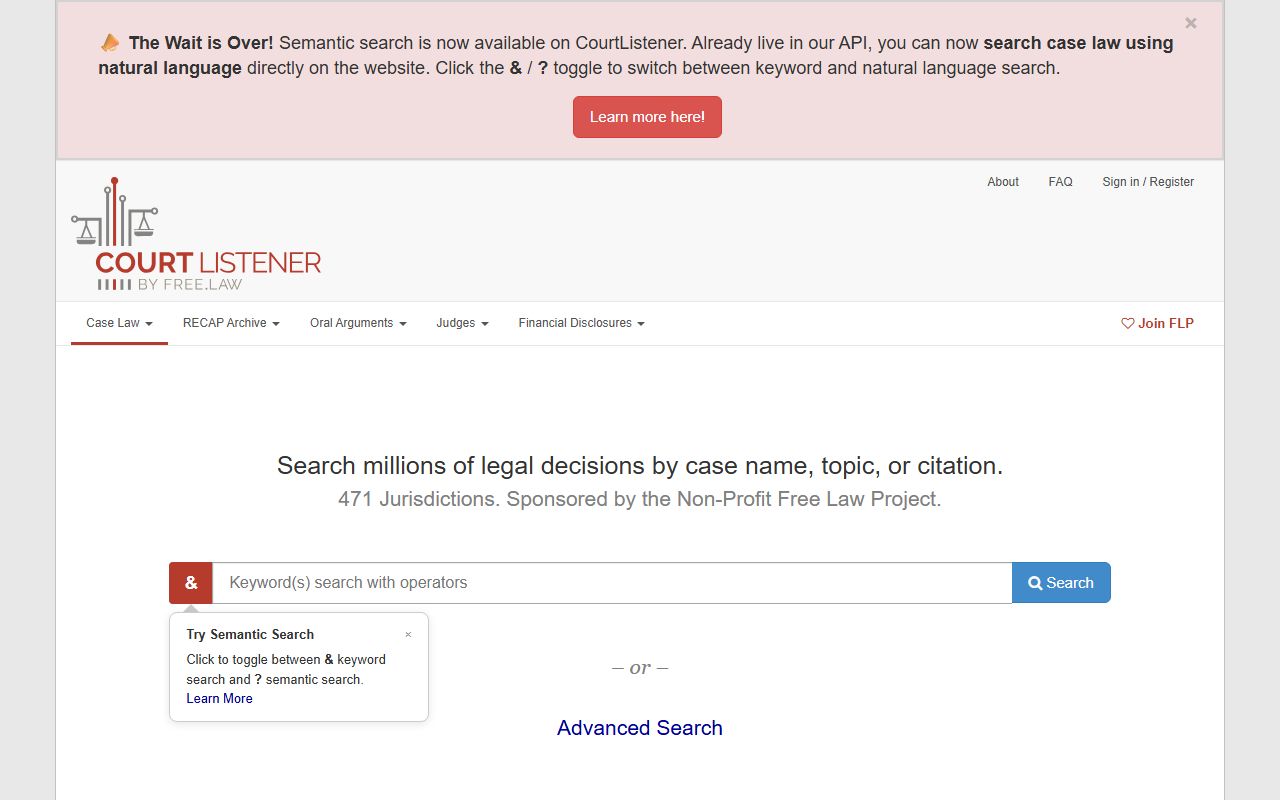
Try CourtListener for federal opinions and dockets that the county does not hold.
Central Municipal Court Records
Municipal court records are public records too, but they live with the municipal courts. Many Bergen towns route cases through the Central Municipal Court at 71 Hudson Street in Hackensack. The court page links a records-request path and describes an online dispute resolution option for some traffic matters.
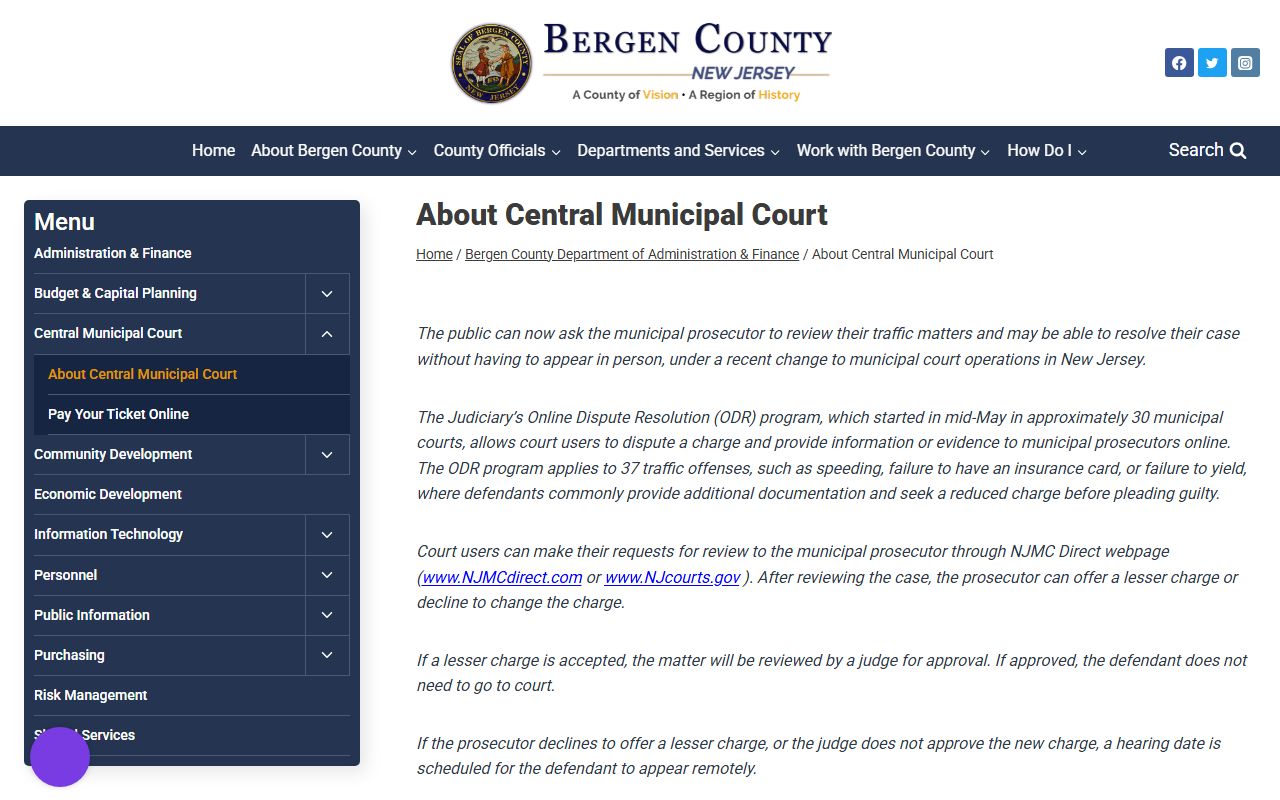
See the Central Municipal Court page, and the traffic court records page for ticket lookups.